Learn-to-Ride and Community Mobility in Ghana
Village Bicycle Project, Ghana | February 2026
Learn to Ride Ghana
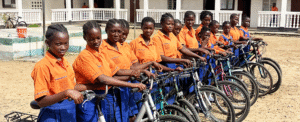
Village Bicycle Project’s Learn-to-Ride programme continued to grow in 2025, helping more young people—particularly girls—gain the skills, confidence and independence that come with cycling. Alongside bicycle distribution and training, the programme is improving access to education, markets and healthcare across rural communities.
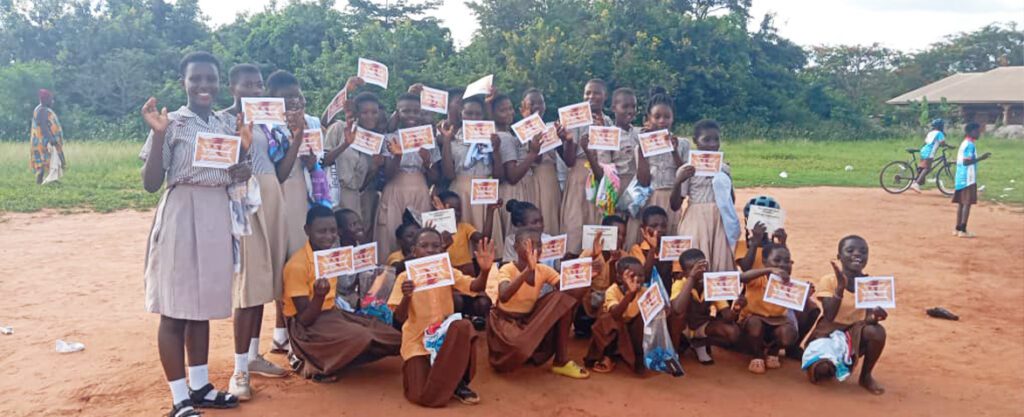
Throughout the year, six one-day workshops were delivered, reaching 515 participants across multiple communities. These sessions combined cycling skills, road safety education and practical maintenance training, ensuring participants could use and care for their bicycles long after the workshops ended.
Learn to Ride Ghana
Learn to Ride Ghana
In total, 515 bicycles were distributed in 2025, with 415 going to girls and women. Access to a bicycle significantly reduced travel times to schools, markets and health facilities, while also providing a reliable and affordable transport option in areas where infrastructure is limited.
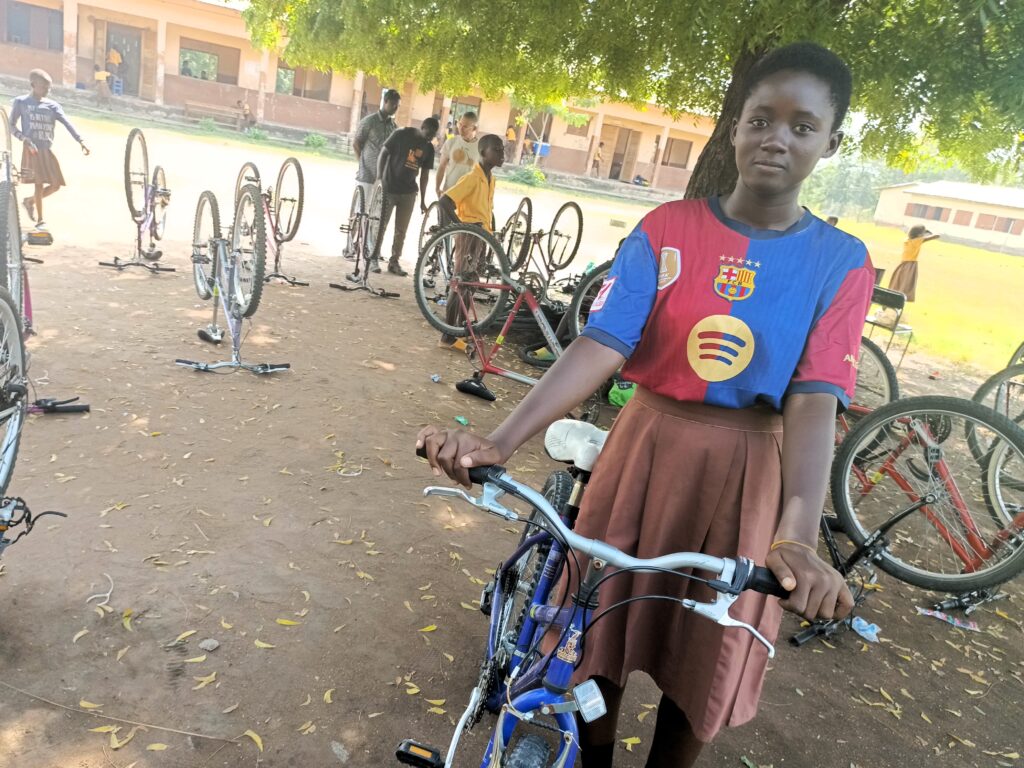
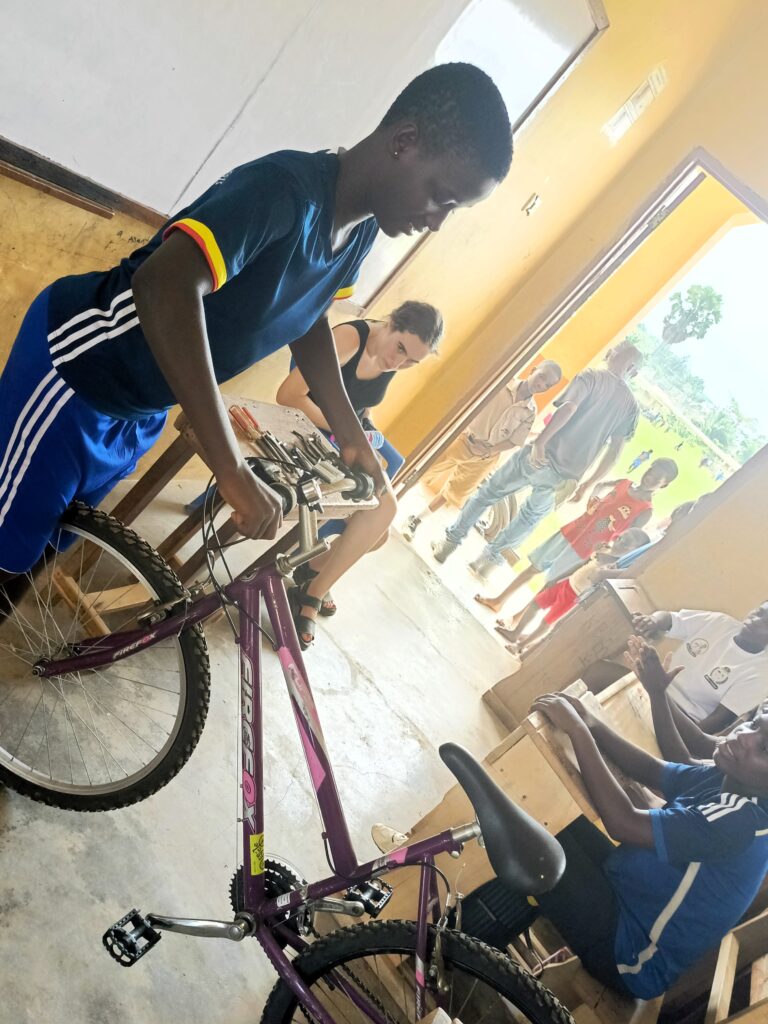
The programme also prioritised practical knowledge. All 515 participants received basic bicycle maintenance training, enabling them to carry out simple repairs and keep their bikes in working condition. Alongside this, 10 local mechanics were trained and supported, strengthening repair services within communities and creating new livelihood opportunities.
Learn to Ride Ghana
Impact: Baafi, Bono East Region
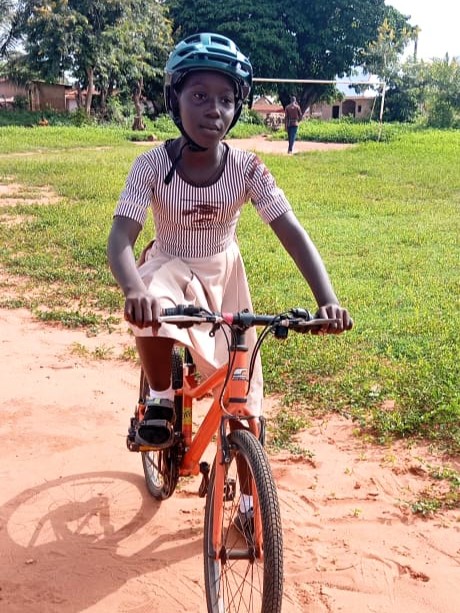
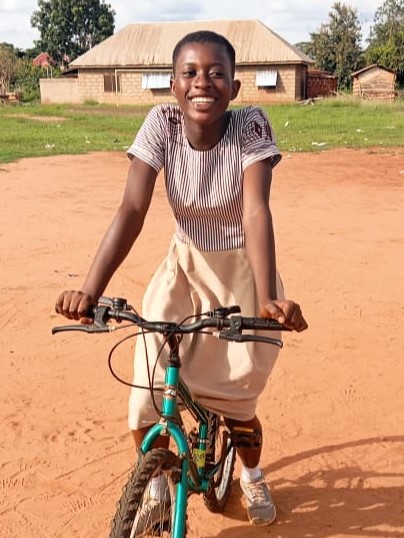
One of the communities reached in 2025 was Baafi, in Ghana’s Nkoranza North District. Located in the Bono East Region, the area is largely rural, with most residents relying on small-scale farming. Transport options are limited, and students often face long journeys to reach school.
In July 2025, 60 bicycles were distributed to students in Baafi, helping reduce the time and effort required to travel to school each day. Reliable transport means students are better able to attend regularly, arrive with more energy to learn, and stay in education longer.
Learn to Ride Ghana
i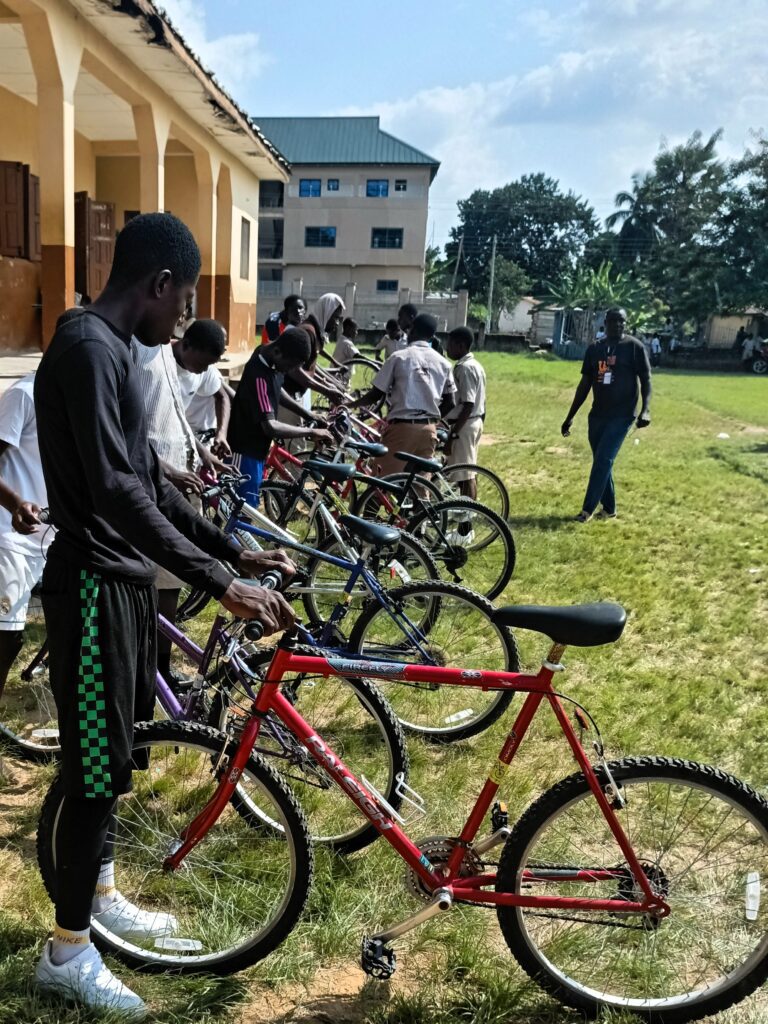
Impact: Suhum District
In rural Suhum, long school journeys have long been a barrier for students—particularly girls. Many previously walked several miles each day, often arriving tired or late.
Abena, a student at Amanhyia MA Basic School, remembers the challenge clearly.
“Some days my legs would be so tired I couldn’t concentrate in class. During the rainy season we would arrive soaked, if we made it at all.”
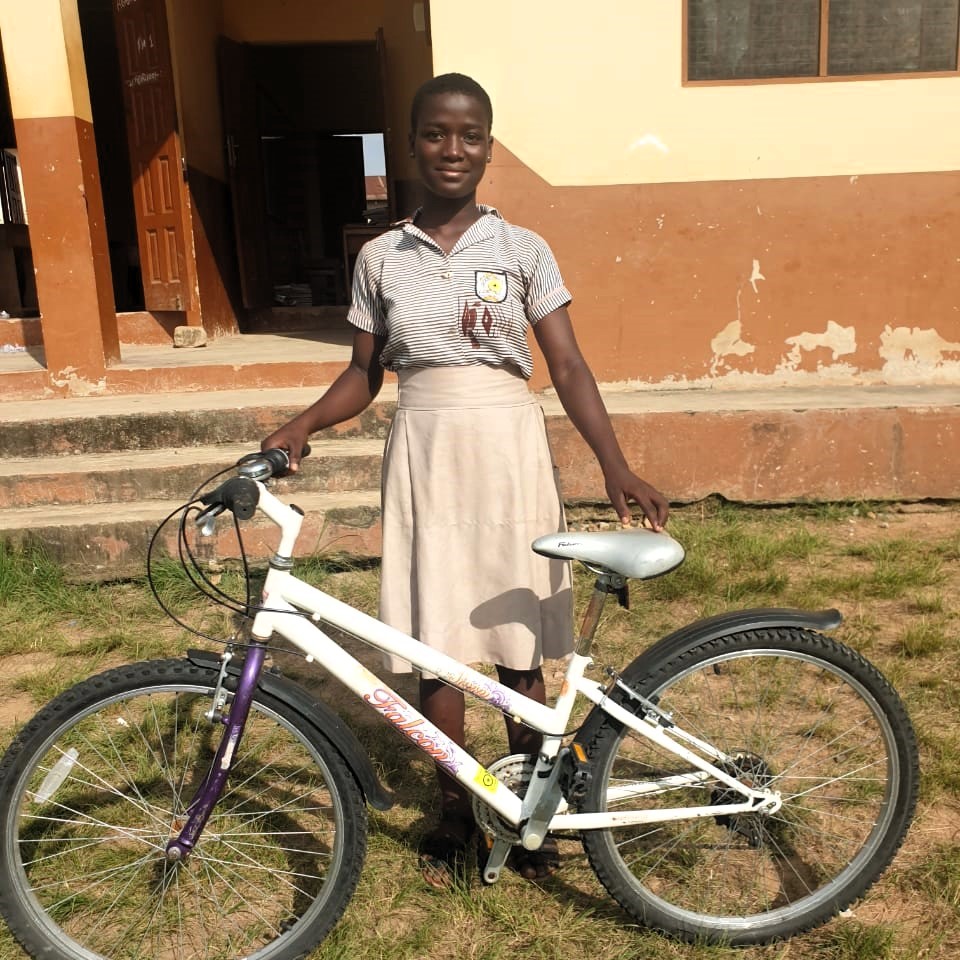
To address this, 40 bicycles were distributed to the students most affected by long journeys, cutting a three-hour round trip down to about 35 minutes. Teachers have since reported improvements in attendance and classroom focus, while students like Abena now arrive ready to learn.
Learn to Ride Ghana
Building Long-Term Change
The impact of these programmes extends beyond transport. By improving mobility, bicycles help young people stay in school, reduce barriers faced by girls, and support stronger local economies through training and job creation.
Through partnerships with organisations like Re-Cycle, Village Bicycle Project continues to strengthen bicycle access across rural Ghana—ensuring more communities can benefit from simple, practical transport that supports education, independence and opportunity.
Learn to Ride Ghana