Driving Change, Sustainably

At Re-Cycle, sustainability is at the heart of everything we do. From reducing waste in the UK to creating lasting solutions in Africa, every bicycle we handle contributes to a bigger environmental and social story.

In The UK

Tackling the UK’s Unused Bike Problem

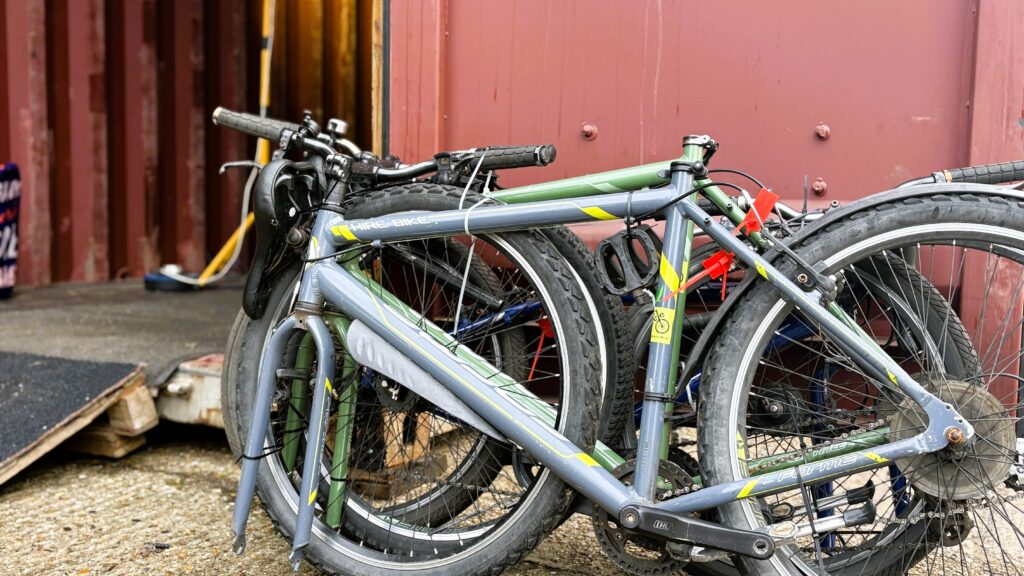
Thousands of good bicycles sit unused in sheds, garages, and gardens across the UK — often because children outgrow them or adults upgrade.

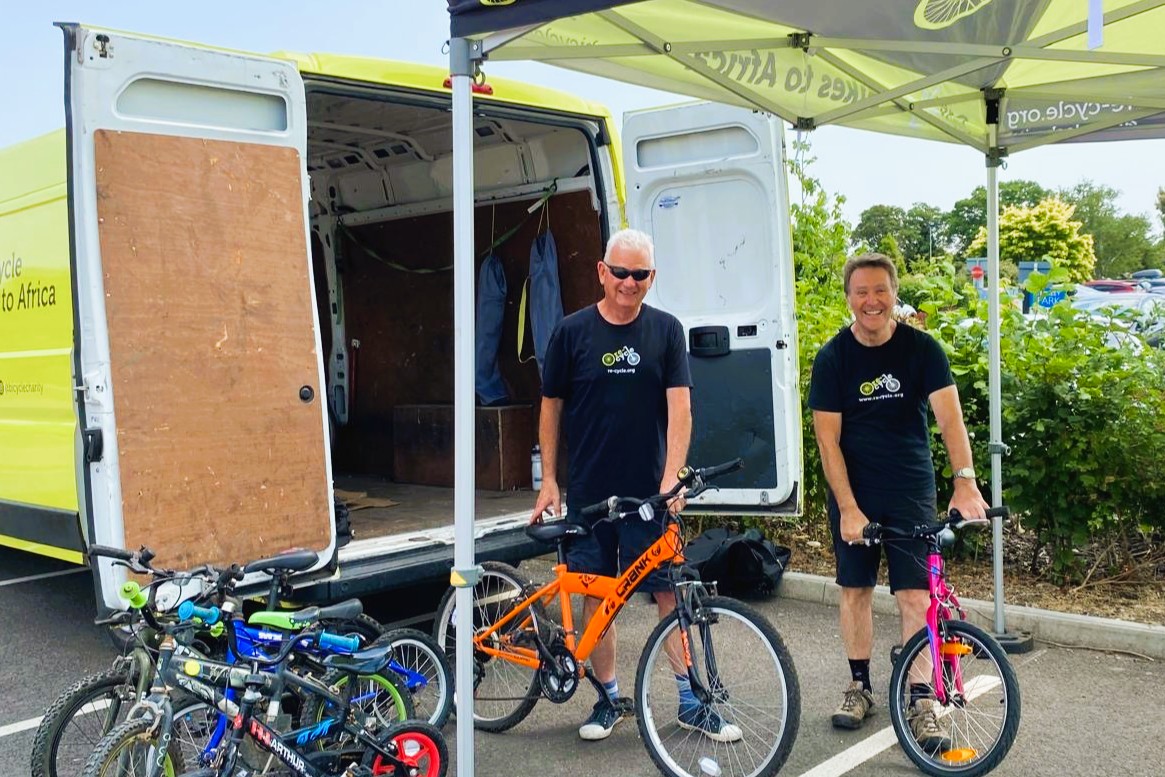
We step in to change that by offering bike collections and pop-up events to make it easy for people to give their unwanted bikes a second life. Instead of ending up in landfill, these bikes are given a new purpose in communities that need them most.

Smarter Shipping, Greater Impact

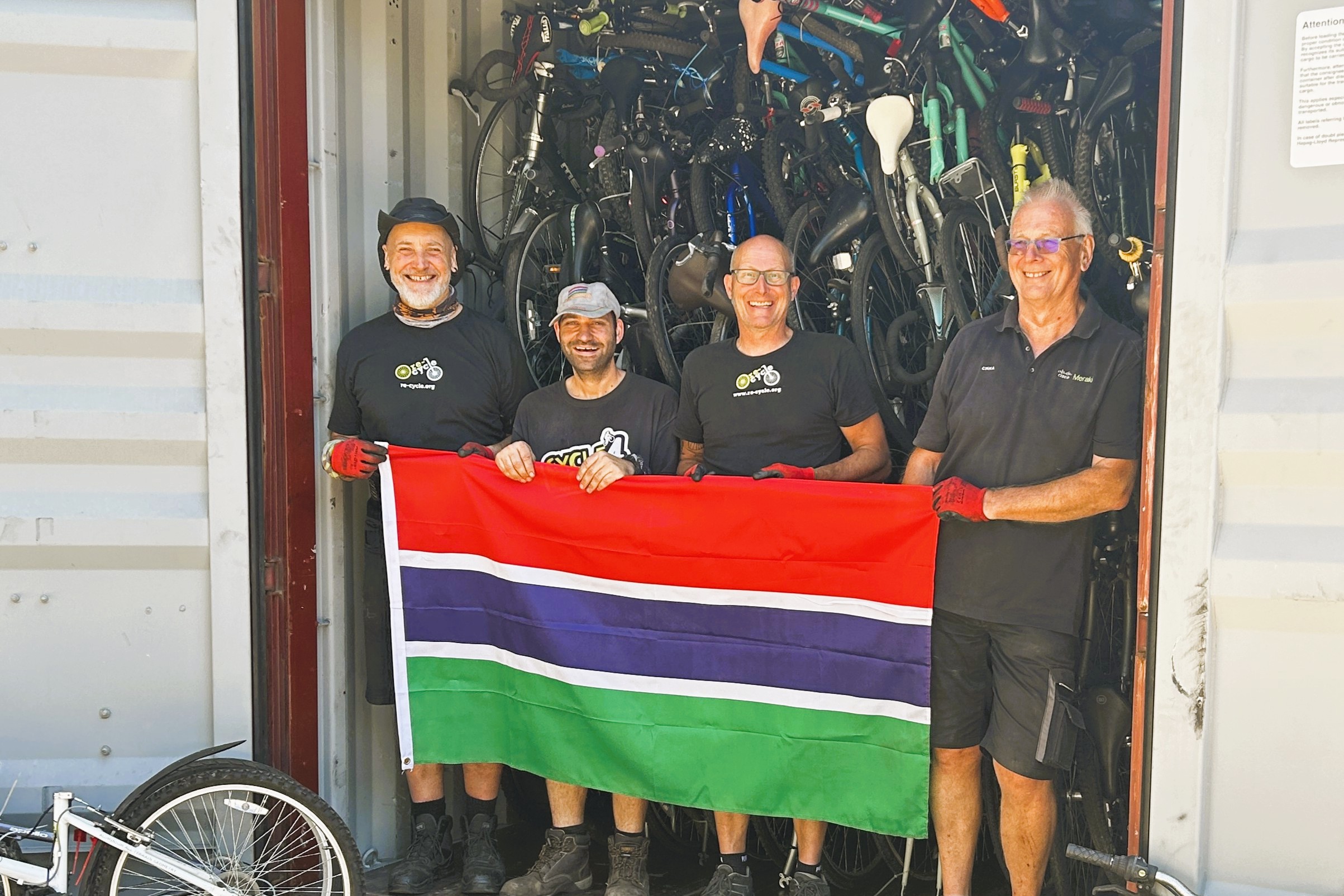
We’re serious about making every shipment count. Using our efficient “sardine-style” packing method, we maximise every container — fitting in as many bikes as possible while reducing the number of shipments needed.

Spare parts and tools are packed into every available space so nothing goes to waste and each container delivers maximum value.

Nothing Goes to Waste

We aim for zero waste in everything we do. Every donated bike is carefully assessed:

  • Reusable bikes are prepared for shipping to Africa
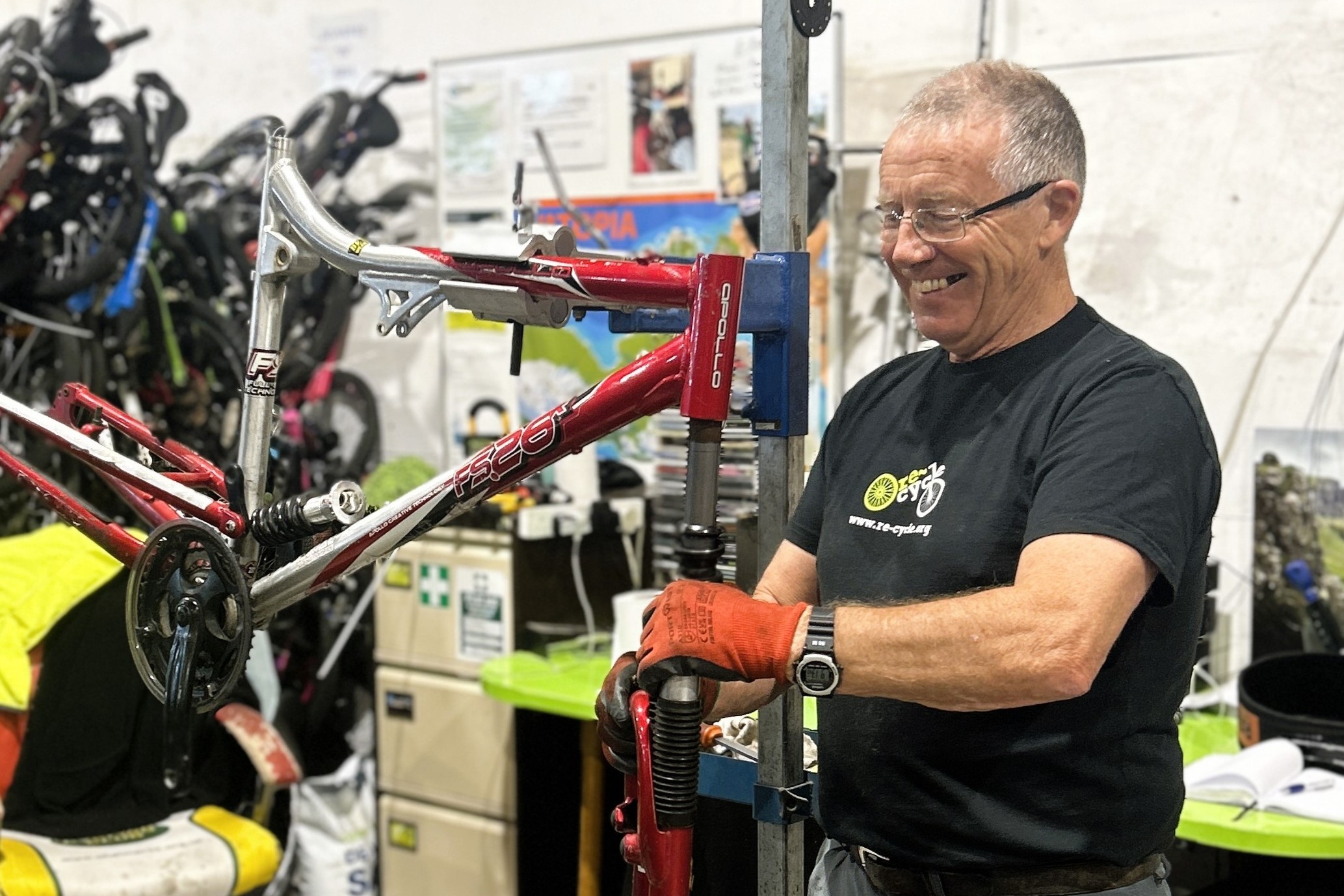
  • Bikes that no longer have life in them are stripped for usable parts
  • These spare parts are packed and sent to Africa alongside the bikes to support our partners
  • Any remaining materials are responsibly recycled

We make every effort to ensure nothing valuable is wasted.

IN AFRICA

Our work doesn’t stop when the bikes arrive. We maintain strong, ongoing relationships with our trusted partners — listening carefully to their needs and loading bikes best suited to the local terrain and communities. This ensures the bicycles are distributed responsibly, well cared for, and never end up dumped or abandoned.

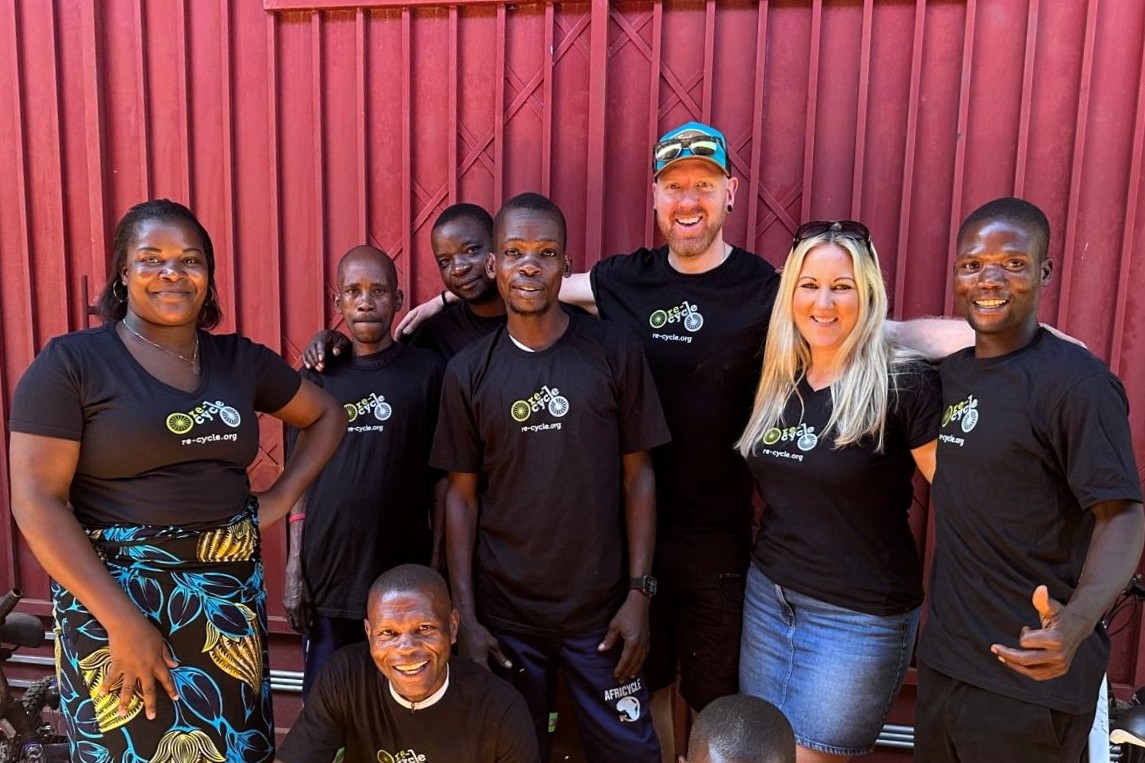
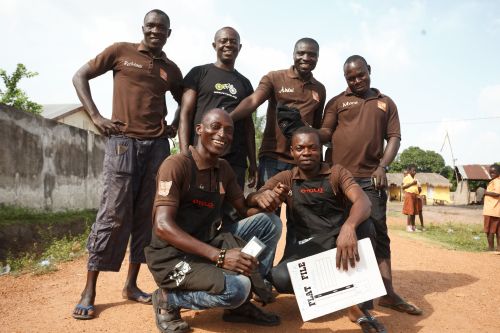
Through hands-on training programmes, we equip local people with the skills to repair and maintain bicycles independently. These mechanics not only keep bikes on the road longer — they also build sustainable livelihoods and strengthen local economies.

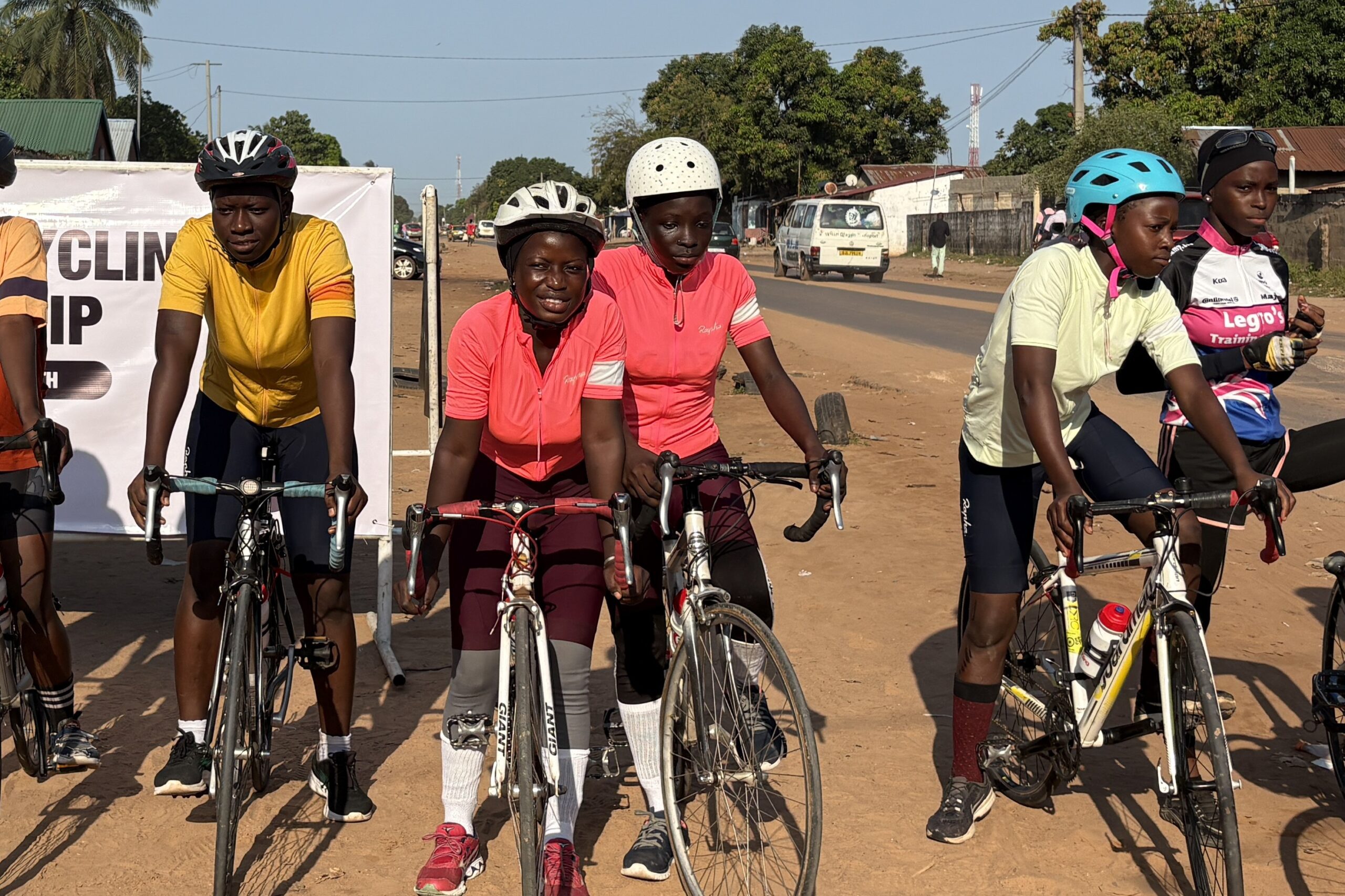
We promote cycling as an affordable, healthy, and environmentally friendly form of transport. Re-Cycle supports community cycling events that encourage more young people to get on bikes, building confidence, promoting active lifestyles, and creating positive opportunities.

By increasing cycling, these initiatives also reduce reliance on motorised transport and support more sustainable communities across Africa.

Supporting the UN Sustainable Development Goals

An independent evaluation conducted in December 2025 confirmed that Re-Cycle delivers high-impact, sustainable outcomes across both Africa and the UK.

Our work contributes meaningfully to multiple UN Sustainable Development Goals, with the strongest evidence found where access to a bicycle changes the daily feasibility of schooling and enables sustained, reliable mobility.

Our strongest contributions:
SDG 4 — Quality Education

SDG 4 — Quality Education

The most consistently evidenced pathway across both case studies. Bicycles improve school attendance and punctuality, reduce fatigue on long journeys, and leave children more ready to learn — contributing to improved school functioning overall.
SDG 5 — Gender Equality

SDG 5 — Gender Equality

Bicycles improve mobility and perceived safety for girls in contexts where distance poses a real risk. They also support women’s participation in cycling and bicycle-linked livelihoods, with further benefits reaching households through shared bicycle use.
SDG 8 — Decent Work and Economic Growth

Through mechanic training and the repair ecosystems this creates, Re-Cycle supports bicycle-linked enterprise, professionalises skills, and contributes to more stable incomes in local communities.

Moderate but credible contribution
SDG 10 — Reduced Inequalities

By targeting rural and low-income populations, Re-Cycle helps reduce disparities in access to transport. Targeting documentation is currently informal, and the evaluation identifies this as an area that would benefit from strengthened monitoring, evaluation, and learning (MEL).
SDG 13 — Climate Action

Re-Cycle’s circular-economy model — reuse, refurbishment, and life-cycle extension of bicycles — reduces waste and delivers low-emission mobility co-benefits. These environmental impacts are structurally embedded in our model, though not yet systematically quantified.
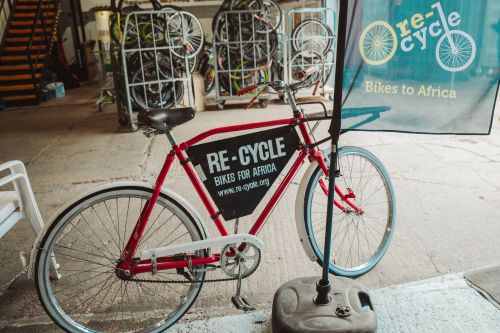
Re-Cycle bikes in warehouse

Be part of the cycle

Every unwanted bike has the potential to change lives while reducing waste. By donating to Re-Cycle, you can help create lasting environmental and social impact.